
Secure and Affordable Storage Units
Areas We Serve: BallinaCaloundraDeception-BayKallangurKawanaRedbank - SpringfieldRockhamptonToowoomba-RockvilleToowoomba-WilsontonWoolgoolga

Menu
Storage Unit Size Guide: Home Items vs Business Stock
December 31, 2025
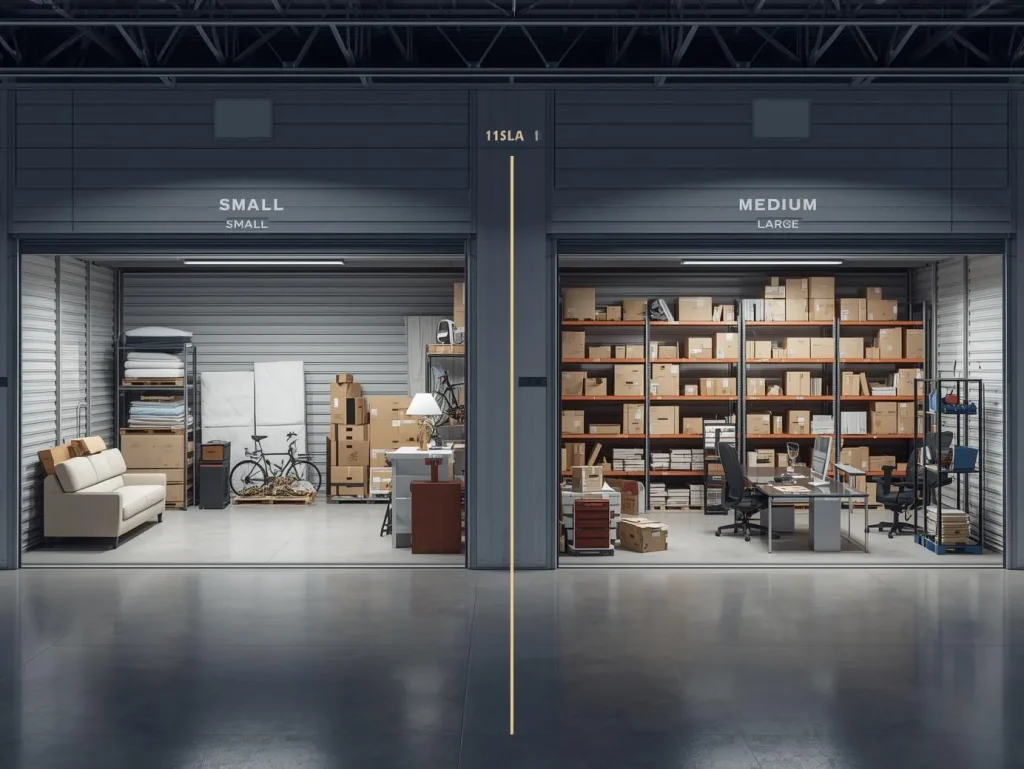
Choosing the right storage unit size is one of the most important decisions when renting self storage. Too small, and your items become difficult to access and more likely to get damaged. Too large, and you may end up paying for space you don’t need.
This storage unit size guide is designed to help Australian households and businesses understand what fits in a storage unit, compare home items versus business stock, and select the most suitable option with confidence. Whether you’re decluttering your home or managing business inventory storage size, this guide will help you store efficiently and cost-effectively.
Why Storage Unit Size Matters
The correct unit size doesn’t just affect price — it impacts how well your belongings are protected and how easily you can access them.
Choosing the right storage unit allows you to:
- Store items safely without overcrowding
- Maintain airflow to prevent moisture damage
- Organise belongings for easy access
- Avoid unnecessary costs
Facilities offering secure self storage with multiple unit sizes make it easier to match your space to your exact needs rather than guessing.
Understanding Guardian Self Storage Unit Sizes
Guardian Self Storage offers practical, commonly used unit sizes that suit both residential and business storage needs. Based on your website, the following unit sizes are available:
1.3m x 2.5m – Lockers
2.5m x 5m – 3/4 Garage
2.7m x 5.1m – 3/4 Garage
Each size serves a different purpose depending on whether you’re storing household items or business stock.
Storage Unit Size Guide for Home Items
Home storage requirements usually arise during life changes such as moving, renovating, downsizing, or simply decluttering.
1.3m x 2.5m Storage Lockers – Small Home Storage
This locker-sized unit is ideal for storing smaller household items, including:
- Moving boxes and cartons
- Seasonal clothing
- Suitcases
- Personal documents
- Sporting equipment
This size works well for students, apartment dwellers, or anyone needing short-term storage. With proper packing, it’s also suitable for document storage when combined with secure gate access and CCTV monitoring.
2.5m x 5m – 3/4 Garage (Home Use)
This is one of the most popular storage options for residential customers.
It comfortably fits:
- Furniture from a 1–2 bedroom home
- Fridge and washing machine
- Beds and mattresses
- Lounge chairs and dining sets
- 20–30 moving boxes
If you’re renovating or relocating, this unit provides enough space to store your household contents while keeping items organised and accessible.
For long-term storage, especially in coastal or humid areas, it’s important to protect furniture properly. Helpful advice can be found in guides on how to protect your belongings from environmental damage in storage.
2.7m x 5.1m – 3/4 Garage (Larger Home Storage)
This slightly larger unit is suitable for:
- Contents of a 2–3 bedroom home
- Larger lounge suites
- Appliances and white goods
- Outdoor furniture
- Garage items
This size allows better layout planning, leaving walkways inside the unit so you can access items without unpacking everything.
What Fits in a Storage Unit? Home Storage Tips
When deciding what fits in a storage unit, preparation makes a big difference:
- Disassemble beds and furniture where possible
- Stack heavier items at the bottom
- Use shelving to maximise vertical space
- Leave clear access paths for frequently used items
Choosing a clean, well-maintained facility helps ensure your household items remain in excellent condition while stored.
Storage Unit Size Guide for Business Stock
Businesses often use self storage as a flexible alternative to warehouses. The right business inventory storage size depends on stock volume, turnover, and access frequency.
1.3m x 2.5m – Lockers for Business Use
This size is ideal for:
- Archived documents and records
- Office supplies
- Marketing materials
- Small tools or equipment
Common users include accountants, consultants, real estate agencies, and small service businesses. Secure facilities with controlled access are essential when storing sensitive business documents.
2.5m x 5m – 3/4 Garage for Business Inventory
This unit size works well for:
- E-commerce inventory
- Retail overflow stock
- Trades tools and equipment
- Event and exhibition materials
With shelving installed, businesses can efficiently organise products and manage stock rotation. Many growing businesses use this size to reduce overheads without committing to long-term warehouse leases.
2.7m x 5.1m – Larger Business Storage
This size is best suited for:
- Bulk inventory
- Wholesale stock
- Machinery or equipment
- Seasonal business supplies
Businesses that experience fluctuating demand benefit from facilities offering flexible rental options, allowing them to scale storage up or down as required.
Using a Storage Unit Size Calculator
A storage unit size calculator can help estimate how much space you’ll need by converting your item list into a suggested unit size.
To get accurate results:
- List every item you plan to store
- Include boxes, not just large furniture
- Factor in shelving and stacking height
- Allow room for access and future additions
While calculators are useful, combining them with advice from experienced storage professionals ensures the best outcome.
Home Storage vs Business Storage: Key Differences
Feature | Home Storage | Business Storage |
Access Frequency | Occasional | Regular |
Layout | Stacked | Shelved |
Growth Needs | Fixed | Scalable |
Security Priority | High | Very High |
Understanding these differences helps you choose the right unit size and layout from the start.
Security Considerations for All Unit Sizes
Regardless of size, security should never be compromised. A reliable storage facility should offer:
- CCTV surveillance
- Gated access with unique PINs
- Well-lit premises
- Regular site monitoring
Common Mistakes When Choosing a Storage Unit Size
Avoid these frequent issues:
- Underestimating how many boxes you’ll have
- Forgetting to allow access space
- Choosing the cheapest option rather than the right size
- Ignoring future storage needs
Often, selecting a slightly larger unit provides better value and convenience.
Final Thoughts: Choose the Right Storage Unit with Confidence
This storage unit size guide from Guardian Self Storage helps Australians understand what fits in a storage unit for both home and business needs. By choosing the right business inventory storage size and using a storage unit size calculator, you can store safely, efficiently, and affordably.
Not sure which unit suits you best? Contact us today for expert advice and personalised storage solutions — and store with confidence.
Frequently Asked Questions About Storage Unit Sizes
What storage unit size is best for household items?
For small personal items, a 1.3m x 2.5m locker is ideal. A 2.5m x 5m unit suits a 1–2 bedroom home, while a 2.7m x 5.1m unit works well for 2–3 bedroom households.
What fits in a 1.3m x 2.5m storage locker?
This size fits boxes, documents, small furniture, sports gear, and seasonal items. It’s ideal for decluttering or short-term storage.
Which storage unit size is best for business inventory?
A 2.5m x 5m unit is suitable for most small businesses, while a 2.7m x 5.1m unit is better for bulk stock or growing inventory needs.
How accurate is a storage unit size calculator?
A storage unit size calculator provides a good estimate, but accuracy improves when combined with expert advice and proper packing plans.
Is it better to choose a slightly larger storage unit?
Yes. Extra space allows better organisation, safer stacking, and easier access to your items.
Can I change my storage unit size later?
Most self storage facilities allow you to upgrade or downsize if availability permits, which is especially helpful for businesses.
Do I need climate-controlled storage based on size?
Climate control depends more on what you’re storing than unit size. Furniture, documents, and electronics benefit most from added protection.


Ready to find the perfect sized storage
Contact your closest Guardian Self Storage and one of our helpful manager will help you find the perfect storage unit for you.