
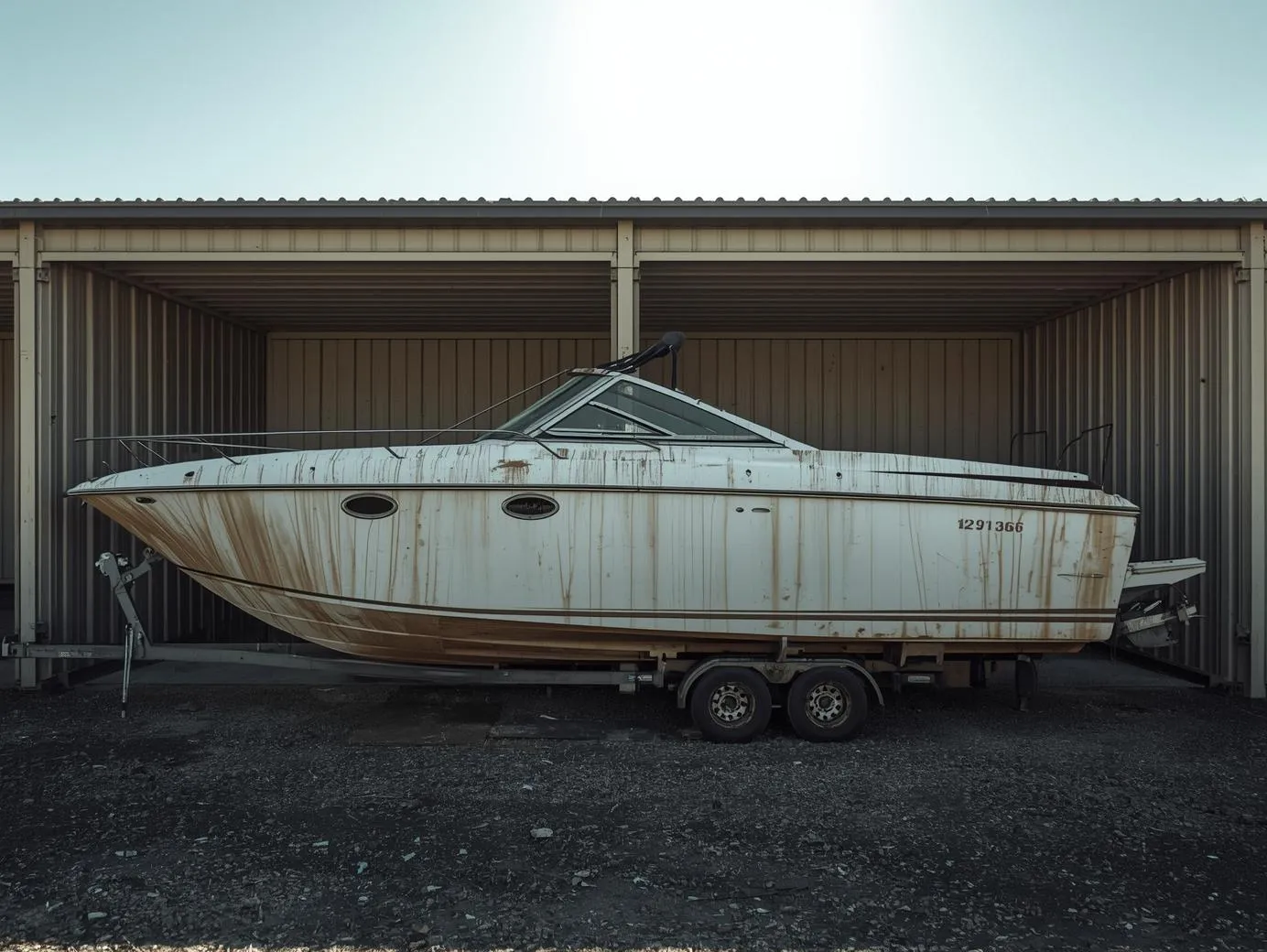
Common Boat Storage Mistakes and How to Avoid Them
Owning a boat is a great way to enjoy Australia’s waterways, but improper storage can quickly turn that enjoyment into costly repairs and long-term damage. Whether you use your boat seasonally or only for holidays, understanding the key reasons for using boat storage and avoiding frequent errors can help protect your investment and extend its lifespan.
In this guide, we’ll explore the most frequent boat storage errors Australians make — and, more importantly, how to avoid them with practical, expert-backed advice.
Mistake 1: Leaving the Boat Unprotected from the Weather
Australia’s climate can be harsh, with intense sun, heavy rain, humidity, and coastal air all contributing to wear and tear. One of the biggest boat storage mistakes is leaving a vessel exposed to the elements for long periods.
Why This Is a Problem
- UV rays can fade paint, crack upholstery, and damage seals
- Rain and moisture increase the risk of mould and corrosion
- Coastal salt air accelerates rust and metal deterioration
How to Avoid It
Store your boat in a secure, weather-protected storage facility or use a high-quality, breathable boat cover. When evaluating indoor versus outdoor boat storage, covered spaces significantly reduce environmental damage and long-term maintenance costs.
Mistake 2: Failing to Clean the Boat Before Storage
Many boat owners store their vessels without thoroughly cleaning them, which can cause serious issues over time.
Why This Is a Problem
- Salt residue leads to corrosion
- Dirt and grime can stain surfaces
- Organic matter attracts pests and insects
How to Avoid It
Before storing your boat:
- Rinse thoroughly with fresh water
- Clean the hull, deck, and interior
- Dry all surfaces completely
A clean boat not only looks better when you retrieve it but also prevents hidden damage while in storage.
Mistake 3: Ignoring Engine and Mechanical Preparation
Another common mistake is storing a boat without preparing the engine and mechanical systems.
Why This Is a Problem
- Old fuel can degrade and clog fuel lines
- Unprotected engines are prone to corrosion
- Battery failure is common during long storage periods
How to Avoid It
- Stabilise or drain fuel before storage
- Flush the engine with fresh water
- Disconnect or remove batteries and store them safely
Following these safe boat preparation practices helps ensure your boat is ready to go when it’s time to hit the water again.
Mistake 4: Choosing the Wrong Storage Location
When considering storing a boat at home versus a commercial yard, keeping a vessel on an open driveway may seem convenient, but it often leads to avoidable weather exposure and security risks.
Why This Is a Problem
- Increased exposure to theft or vandalism
- Limited protection from weather
- Council or strata restrictions
How to Avoid It
Opt for a dedicated boat storage facility that offers security features such as CCTV, controlled access, and fenced premises. Professional facilities are specially equipped for storing different boat sizes and types safely and legally.
Mistake 5: Poor Ventilation During Storage
Lack of airflow is a silent but damaging issue in boat storage.
Why This Is a Problem
- Trapped moisture causes mould and mildew
- Upholstery and interiors deteriorate faster
- Unpleasant odours develop over time
How to Avoid It
Ensure your boat storage setup allows for ventilation. Slightly opening compartments, using moisture absorbers, or selecting a well-ventilated storage unit can prevent these issues.
Mistake 6: Not Checking on the Boat Regularly
Many owners assume that once a boat is stored, it can be forgotten until the next season. However, understanding how long a boat can sit without running helps you establish a realistic check-up schedule to prevent engine seize and battery drain.
Why This Is a Problem
- Small issues can turn into major repairs
- Pest infestations may go unnoticed
- Covers or straps may loosen over time
How to Avoid It
Schedule periodic checks to:
- Inspect covers and tie-downs
- Look for moisture or pests
- Ensure the boat remains secure
Regular inspections help catch problems early and reduce maintenance costs.
Mistake 7: Overlooking Insurance and Documentation
Failing to review insurance coverage during storage is another overlooked mistake.
Why This Is a Problem
- Some policies have specific storage requirements
- Lack of documentation may complicate claims
How to Avoid It
Confirm that your insurance covers your boat while in storage and keep all paperwork organised and accessible.
Why Professional Boat Storage Makes a Difference
Professional storage facilities are designed to eliminate many of these common mistakes. They offer secure environments, controlled access, and suitable conditions that help protect boats year-round. For owners who value convenience, security, and peace of mind, professional storage is often the most reliable solution.
Ready to Store Your Boat the Right Way
Avoiding common boat storage mistakes starts with choosing the right environment for your vessel. If you’re planning to store your boat and want expert guidance on the best option for your needs, contact us to discuss secure and practical storage solutions tailored to your boat and usage habits.
Conclusion
Boat storage doesn’t have to be complicated, but it does require the right approach. By avoiding these common mistakes — from weather exposure to poor ventilation — and following an essential boat storage tips and guide, boat owners can significantly reduce damage and maintenance costs. With secure facilities and customer-focused service, Guardian Self Storage offers dependable boat storage storage solutions that help protect your boat and give you confidence when it’s time to enjoy the water again.
Frequently Asked Questions
1. Is it better to store a boat indoors or outdoors?
Indoor or covered storage offers better protection from weather and UV exposure, helping to extend the life of your boat.
2. How long can a boat be stored without use?
With proper preparation and maintenance, boats can be stored for several months or even longer without issues.
3. Should fuel be removed before storing a boat?
Fuel should either be stabilised or safely drained, depending on the storage duration and manufacturer recommendations.
4. Can I store a boat with the battery installed?
It’s generally recommended to disconnect or remove the battery to prevent drainage and corrosion.
5. Do I need insurance while my boat is in storage?
Yes. Boat insurance should remain active during storage to protect against theft, damage, or unforeseen incidents.