Boat Storage Guide: Types, Safety Tips & Long-Term Storage
Owning a boat in Australia is a lifestyle choice. From early mornings chasing snapper to long summer weekends on the water, it’s part of what makes coastal living great. But when the trip’s over, one big question remains:
Where do you keep it?
Proper boat storage isn’t just about finding somewhere to park. It protects your investment, reduces maintenance costs and keeps your boat ready for the next outing. This guide walks you through your options, how to store a boat safely, and what to consider for long-term storage in Australian conditions.
What Is Boat Storage?
Boat storage simply means keeping your boat in a secure location when it’s not in use. This can be at home, in a dedicated storage yard, inside an enclosed unit, or at a marina.
In Australia, many boat owners look for storage because of:
- Limited driveway space
- Local council or strata restrictions
- Harsh sun exposure
- Coastal salt air
- Seasonal use patterns
If you’re looking for a reliable setup for your vessel, exploring professional boat storage options ensures your craft is properly shielded from coastal elements when off the water.
Why Proper Boat Storage Matters in Australia
Australian weather can be tough on boats.
- UV rays fade upholstery and damage gel coat
- Salt air accelerates corrosion
- Heavy rain can lead to mould and mildew
- Storm seasons increase risk of debris damage
Even if you only use your boat occasionally, leaving it exposed can shorten its lifespan. Secure storage reduces wear and tear and helps maintain resale value.
Types of Boat Storage Options
Choosing the right type of storage depends on your boat size, budget and how often you use it.
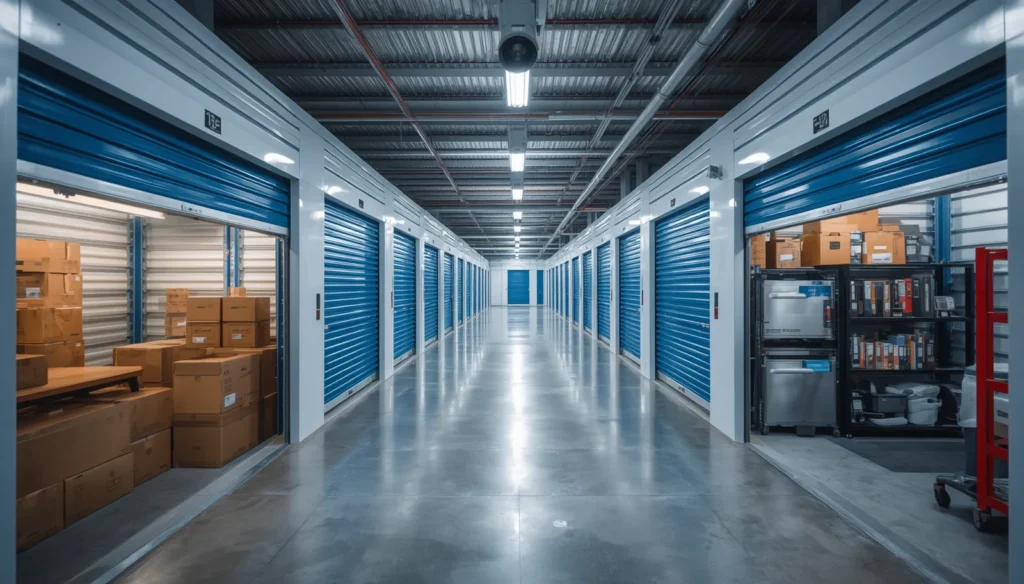
1. Indoor Boat Storage
Indoor storage offers the highest level of protection. Boats are kept inside a warehouse-style facility, shielded from sun, rain and wind.
Best suited for:
- Long-term storage
- High-value boats
- Areas with extreme heat or storms
It costs more than outdoor storage but significantly reduces weather-related damage.
2. Outdoor Boat Storage
Outdoor storage yards are common across Australia. Your boat remains on its trailer in a secure, fenced facility.
Best suited for:
- Larger boats
- Short- to mid-term storage
- Budget-conscious owners
While more affordable, proper covering is essential. Taking steps to avoid damaging boat storage mistakes is crucial before leaving your craft outdoors for long periods.
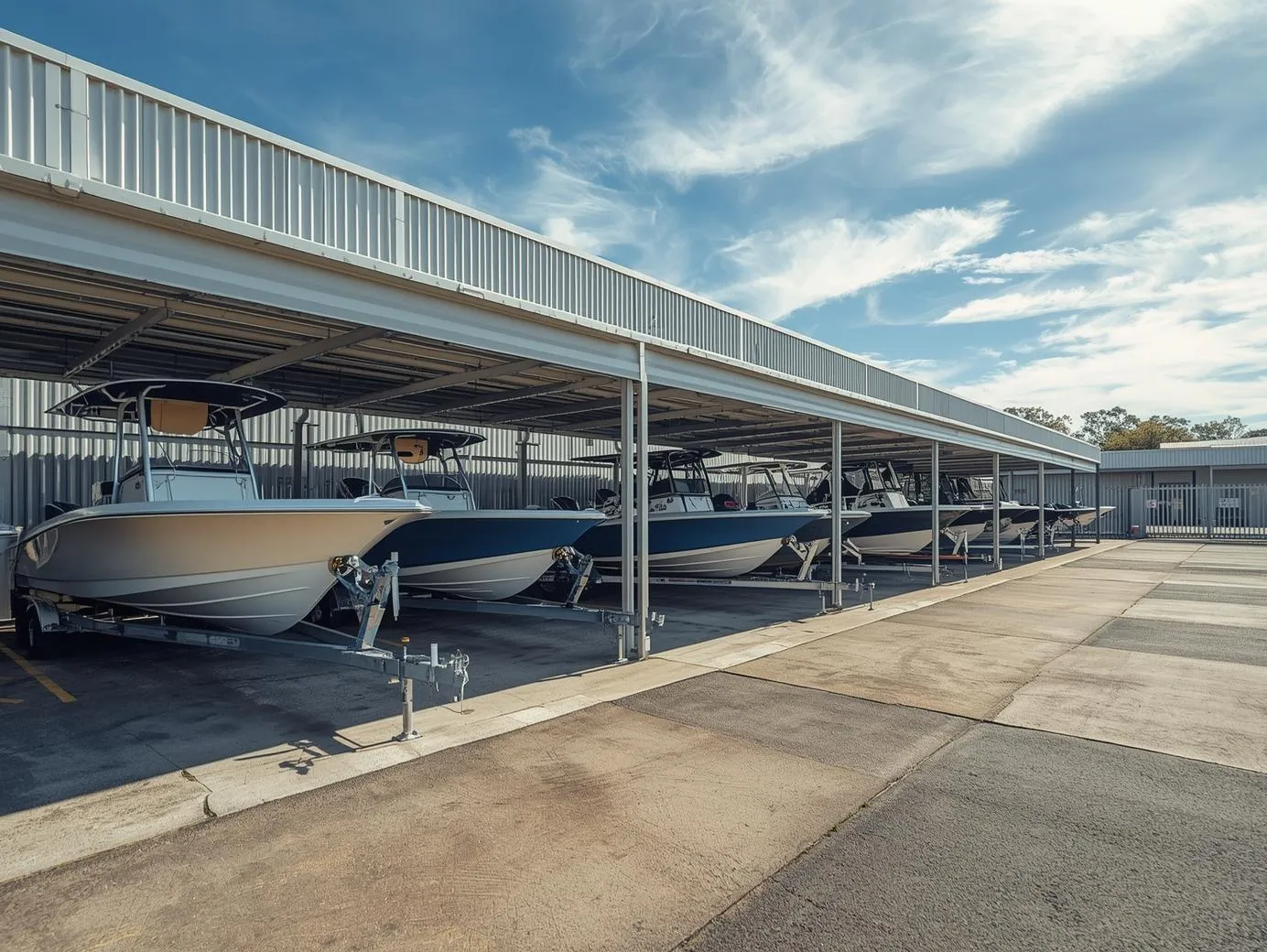
3. Covered Boat Storage
This option provides overhead protection while remaining open on the sides. Comparing indoor versus outdoor boat facility benefits can make deciding on the best weather protection easy.
4. Marina or Wet Storage
Your boat stays in the water at a marina berth. It offers convenience but increases hull maintenance and cleaning requirements.
How to Store a Boat Safely
If your boat will sit unused for weeks or months, preparation is critical.
Here’s a simple framework:
Clean It Thoroughly
Wash off salt, dirt and organic matter. Even small amounts of grime can trap moisture and cause damage.
Stabilise the Fuel
Add fuel stabiliser if storing for more than a month. This prevents fuel breakdown and engine issues.
Disconnect the Battery
Remove or disconnect the battery to avoid drainage and corrosion.
Use a Quality Cover
Choose a breathable, properly fitted cover. Cheap tarps often cause more harm than good.
Protect Against Pests
Rodents can damage wiring and upholstery. Consider deterrents if storing long-term.
Following key boat safety storage steps will protect your hull and engine during extended downtime.
How Long Can a Boat Be Stored Without Use?
This depends on preparation and storage conditions.
- Up to 2 months: Generally low risk if covered and clean.
- 3–6 months: Common seasonal storage period in cooler regions.
- 6–12 months: Requires full preparation and occasional inspection.
- Over 12 months: Professional servicing is recommended before relaunch.
Before leaving your vessel idle, consider storing boats long term without damage to ensure engine fluids and electronics remain in working condition.
Boat Storage by Size and Type
Not all boats require the same storage setup.
Jet Skis
Compact and easier to store. Often suitable for smaller storage spaces.
Aluminium Fishing Boats
Common across Australia. Usually stored on trailers in outdoor or covered facilities.
Pontoon Boats
Wider and require more space. Covered or indoor storage helps protect seating.
Sailboats
Mast height can limit storage options. Often stored in specialised yards.
Larger Cruisers
Indoor storage is recommended to protect long-term value.
Knowing which boat types and dimensions need dedicated storage will help you calculate exact facility requirements for your setup.
Storing at Home vs a Storage Facility
Many Australian boat owners consider keeping their boat at home. While convenient, there are trade-offs.
|
Factor |
Home Storage |
Storage Facility |
|
Security |
Limited |
Gated access |
|
Weather Protection |
Minimal |
Indoor options available |
|
Council Restrictions |
Possible |
No issue |
|
Space |
May be tight |
Designed for boats |
Comparing home boat parking versus storage yards helps weigh convenience against long-term security.
Final Thoughts
Boat storage is about more than convenience. It protects your vessel from Australia’s harsh conditions and helps maintain performance and resale value.
If you’re looking for secure, reliable storage options, you can contact us to discuss availability and suitable storage solutions for your boat.
At Guardian Self Storage, we understand the needs of Australian boat owners and offer practical storage options designed to keep your vessel protected year-round.
Whether you’re storing for the off-season or long-term, choosing the right facility makes all the difference.
Frequently Asked Questions
1. Can I store my boat outside all year in Australia?
Yes, but it should be covered with a breathable, well-fitted cover and checked regularly to prevent UV damage, mould and corrosion.
2. How long can a boat sit without being used?
A boat can sit for a few weeks without issue, but anything beyond 2–3 months requires proper preparation and periodic inspection.
3. Do I need to winterise my boat in Australia?
In colder regions, winterising is recommended. In warmer areas, basic fuel and battery maintenance is usually sufficient.
4. Is indoor boat storage better than outdoor storage?
Indoor storage offers stronger protection from weather and sun, while outdoor storage works well if the boat is properly covered.
5. What should I do before putting my boat into storage?
Clean it thoroughly, stabilise the fuel, disconnect the battery and use a quality cover to protect it.