Business Storage Solutions: Complete Guide for Small Businesses
May 26, 2026
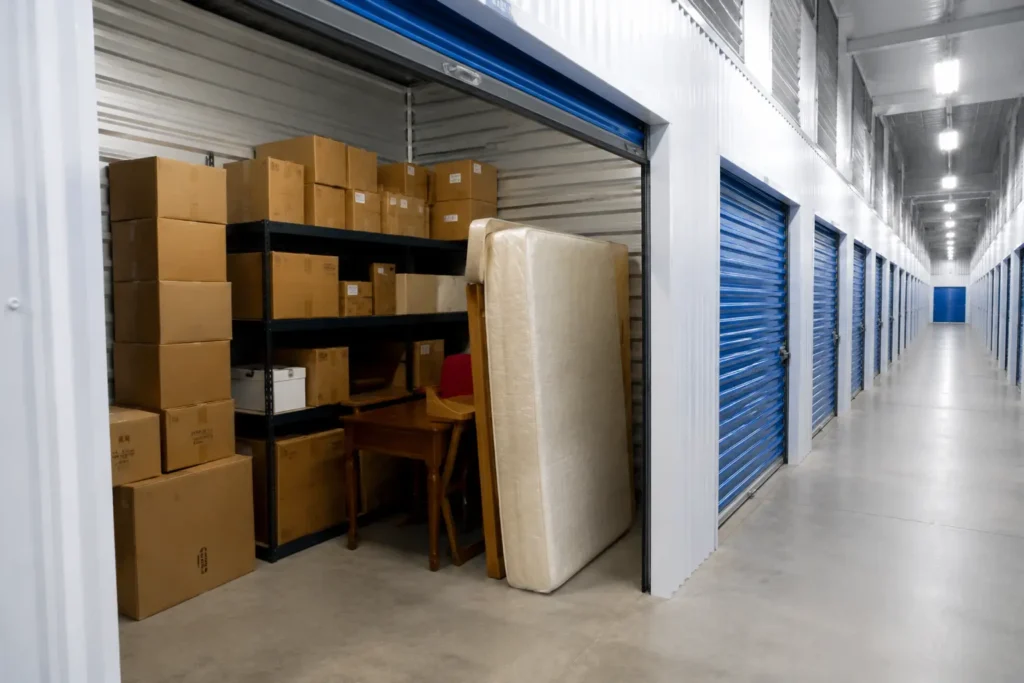
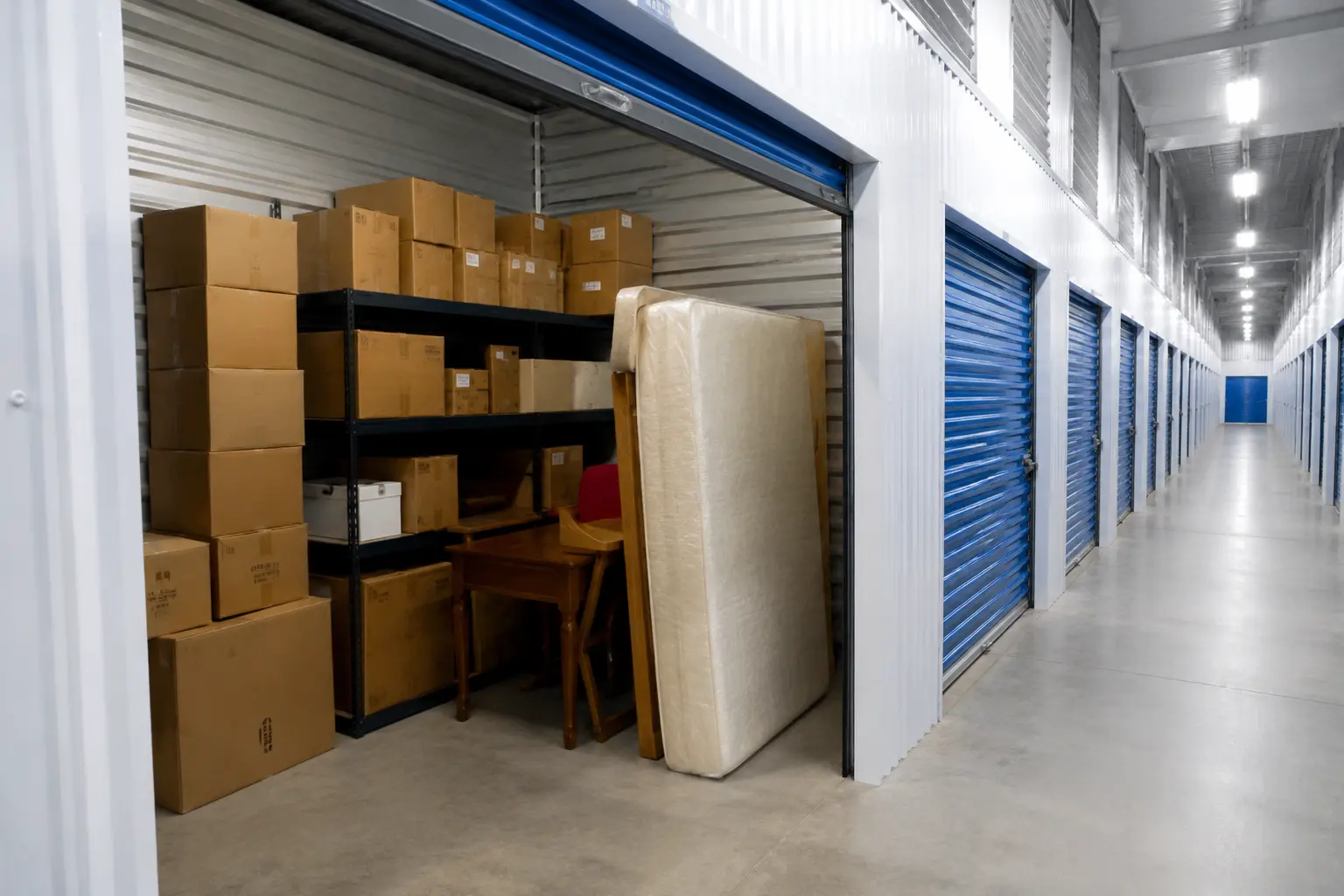
Running a business with limited space can quickly feel overwhelming. Inventory starts piling up, paperwork takes over desks, and expensive equipment clutters valuable work areas. That’s why modern business storage solutions have become a smart option for Australian businesses wanting flexibility and better organization without paying massive warehouse costs. From retail stores to tradie stock and eCommerce brands, businesses now rely on secure commercial storage to manage stock, tools, and important files more efficiently. Smart storage also improves inventory management, supports better workspace optimization, and creates room for future growth. Businesses storing sensitive items often choose climate controlled storage to protect assets from heat and moisture. With proper storage organization, companies save time, reduce stress, and keep daily operations running smoothly.
What Is Business Storage and How Does It Help Small Businesses?
Business storage refers to dedicated storage spaces designed for commercial use rather than household belongings. These spaces help businesses manage overflow inventory, tools, documents, and seasonal stock without overcrowding their workplace. Many Australian companies now use flexible storage rental facilities because they offer convenience, accessibility, and lower costs compared to commercial warehouses.Small businesses benefit because proper storage improves office decluttering, boosts productivity, and supports smoother workflows. A cluttered workspace slows staff down like traffic during peak-hour Sydney commutes. By moving excess stock into secure secure storage, companies create cleaner offices, safer work areas, and better customer experiences.
What Can You Store in a Business Storage Unit?
Business owners can store furniture, archived files, retail stock, and marketing materials inside storage units. Many companies also use units for storage for office supplies, storage for promotional materials, and storage for tools and materials. Tradies often store ladders, power tools, and construction equipment safely between projects.Some businesses require extra care for sensitive items. Electronics, legal files, artwork, and medical paperwork often need climate controlled storage to prevent heat and moisture damage. Companies handling confidential paperwork also rely on secure document storage and protected business record storage for better compliance and peace of mind.
|
Business Type |
Common Stored Items |
|
Retail Stores |
Seasonal stock, packaging supplies |
|
Tradies & Contractors |
Tools, ladders, machinery |
|
Medical Offices |
Archived patient files |
|
eCommerce Businesses |
Product inventory, shipping boxes |
|
Marketing Agencies |
Signage, banners, event materials |
Key Benefits of Using Business Storage Solutions
One major advantage of business storage solutions is flexibility. Businesses can increase or reduce storage size depending on demand. This works perfectly for seasonal businesses facing holiday inventory spikes. Instead of committing to long traditional warehousing, companies use month to month storage options that adapt to changing operational needs.Storage facilities also improve workspace optimization and reduce overhead expenses. Rather than renting larger offices, businesses move excess items into storage. This approach creates a practical warehouse alternative for small companies wanting to grow without excessive commercial rent costs.
Why Do Small Businesses Need Commercial Storage Solutions?
Australian small businesses often struggle with limited workspace. Offices become overcrowded with stock, archived files, and unused furniture. Commercial storage solves this issue by providing extra storage space for businesses while keeping workplaces functional and organized.Storage also supports smoother business expansion. For example, an online clothing store in Melbourne may experience sudden growth during sales periods. Instead of moving into an expensive warehouse immediately, the business can use storage solutions for growing businesses to manage stock efficiently while scaling gradually.
“A well-organized business storage unit can save companies countless hours every month through faster inventory access and reduced clutter.”
How to Choose the Right Business Storage Unit
Choosing the right storage unit starts with understanding your inventory size and future growth plans. Businesses storing only paperwork may need small units, while retailers managing bulk products often require larger spaces with shelving. Smart planning prevents businesses from paying for unused space or quickly outgrowing their unit size. Accessibility matters just as much as size. Businesses that access stock daily benefit from drive-up storage units or ground floor storage units because loading becomes quicker and safer. Facilities located close to offices also reduce transport time and fuel expenses.
How Do I Choose the Right Business Storage Unit Size?
The right storage size depends on inventory volume, shelving needs, and future stock increases. Small businesses should always allow extra room for walkways and easy access rather than stacking items dangerously from floor to ceiling.
|
Unit Size |
Best For |
|
Small Unit |
Files, small equipment |
|
Medium Unit |
Retail inventory, office furniture |
|
Large Unit |
Machinery, bulk inventory |
Is Climate-Controlled Business Storage Worth It?
For many Australian businesses, especially in warmer regions, climate controlled storage prevents serious damage caused by heat and humidity. Electronics, artwork, furniture, and archived paperwork can deteriorate quickly in unstable conditions.Businesses storing expensive assets should treat climate control as protection rather than an optional luxury. Replacing damaged products costs far more than maintaining a properly regulated environment designed for long-term preservation and business asset protection.
Smart Organization Tips for Business Storage Units
A disorganized storage unit wastes time and money. Smart layouts create smoother operations while reducing damaged stock and misplaced items. Businesses should separate inventory by category and keep frequently used products near the front for easier access.Vertical storage dramatically improves efficiency. Strong shelving systems for storage units maximize capacity while keeping inventory visible and secure. Businesses also benefit from practical storage unit organization tips such as labelled aisles, numbered shelves, and colour-coded inventory sections.
How Can Business Storage Help Manage Extra Inventory?
Many businesses struggle with sudden inventory overflow during busy seasons. Storage facilities provide safe spaces for inventory storage without overcrowding offices or retail floors. This helps businesses maintain cleaner workplaces and better customer experiences.
Modern inventory management systems improve tracking accuracy through barcode inventory tracking, digital stock lists, and inventory apps. These tools strengthen commercial inventory management while reducing errors caused by manual tracking systems.
Inventory Management Strategies for Small Business Storage
Good inventory systems keep storage units efficient and profitable. Businesses should create clear product categories and track movement regularly. Strong inventory control solutions reduce misplaced items and improve order fulfilment speed for retailers and eCommerce inventory. One highly effective strategy is the FIFO inventory system, which means “First In, First Out.” Older stock gets sold or used first before newer products. This method works especially well for food suppliers, beauty brands, and businesses handling perishable products.
How Can Business Storage Help Manage Extra Inventory?
Retailers often experience rapid stock fluctuations during promotions and holiday periods. Storage facilities help businesses manage overflow inventory without creating chaos inside their workplace. This improves operational flow and supports faster order processing.Businesses involved in retail inventory storage and eCommerce inventory storage especially benefit because organized stock reduces picking errors and delivery delays. Faster access also improves customer satisfaction and reduces wasted labour hours.
Security, Insurance, and Compliance Tips for Stored Business Items
Security remains one of the biggest concerns for business owners using external storage. Professional facilities now offer advanced storage facility security features including CCTV cameras, gated access, alarms, and monitored entry systems. These protections help businesses safeguard expensive equipment and confidential records.Insurance also plays an important role in business asset protection. Businesses should photograph valuable items, maintain digital inventory records, and confirm insurance coverage before moving stock into storage facilities.
How Secure Are Business Storage Units for Company Assets?
Modern storage facilities use advanced access control systems to limit unauthorized entry. Many Australian businesses rely on these systems to protect sensitive files, electronics, and expensive tools from theft or vandalism.Companies storing paperwork also benefit from document storage and controlled business record storage environments that support legal compliance and long-term organization. Secure storage adds another protective layer for growing businesses handling valuable commercial assets.
Cost-Effective Storage Solutions for Growing Businesses
Commercial warehouses often carry high operating costs. Storage facilities provide a far more affordable option for smaller businesses needing flexible space without long-term lease pressure. This makes affordable storage cost mangement a smart financial decision for growing Australian companies.Businesses also save money through improved organization. Cleaner offices reduce operational inefficiencies while external storage creates better use of internal workspaces. Many businesses discover that organized storage indirectly improves staff productivity and customer service quality.
How Much Does Business Storage Cost for Small Businesses?
Storage costs depend on unit size, facility location, climate control requirements, and security features. Smaller units remain budget-friendly for startups, while larger commercial spaces cost more due to increased capacity and accessibility features.
|
Feature |
Cost Impact |
|
Climate Control |
Higher |
|
Ground Floor Access |
Moderate |
|
Basic Indoor Unit |
Lower |
|
Premium Security |
Higher |
Long-Term Business Storage Management and Expansion Planning
Successful businesses treat storage like a long-term operational strategy rather than temporary overflow space. Regular audits, updated inventory systems, and smart organization help businesses maintain efficiency as they grow. Strong long-term storage management also prevents unnecessary clutter from accumulating over time.Storage needs evolve alongside business growth. Expanding companies may eventually require multiple units, improved shelving systems, or larger facilities. Businesses using scalable systems adapt far more smoothly during periods of rapid expansion and changing inventory demands.
What Are the Best Storage Solutions for Office Equipment and Documents?
Businesses storing computers, archived paperwork, or expensive office furniture should prioritize secure and climate-regulated facilities. Sensitive materials last longer in stable environments designed for business equipment storage and professional file protection at Guardian Self Storage.Companies handling confidential paperwork benefit greatly from organized document storage, protected shelving systems, and digital inventory backups. A properly managed storage unit becomes more than extra space. It becomes a reliable extension of the business itself, especially with trusted solutions from Guardian Self Storage.
Conclusion
Modern business storage solutions give Australian businesses the freedom to grow without drowning in clutter or warehouse expenses. From contractor equipment storage to seasonal inventory storage, professional storage facilities support smoother operations, safer workplaces, and smarter expansion strategies. To discover how our commercial facilities can help, explore our professional business storage solutions. Businesses that invest in organized storage systems often improve productivity, reduce stress, and gain better operational control. Whether you need temporary inventory overflow space or a long-term commercial solution, the right storage strategy can quietly become one of the strongest foundations supporting your business growth. Contact us today to find reliable and flexible business storage solutions tailored to your company’s needs.
Related posts

Short-Term vs Long-Term Vehicle Storage: Which Option Is Right for You?
Indoor Car Storage: Is It Worth Paying More for Protection?

What Size Storage Unit Do You Need for a Car? Avoid These Costly Mistakes