How to Store a Boat Safely When You’re Not Using It
Owning a boat is a rewarding experience, but proper care doesn’t stop once you leave the water. Many boat owners ask how to store a boat safely when it’s not in use, especially during the off-season or extended breaks. Correct storage plays a critical role in protecting your boat from damage, reducing maintenance costs, and extending its lifespan.
Whether you use your boat regularly or only a few times a year, following the right storage approach ensures it stays in good condition and ready for your next trip. By understanding essential boat storage benefits, owners can avoid common mistakes and protect their investment.
Why Safe Boat Storage Matters
Safe boat storage is about more than just parking a vessel. Without proper care, boats can suffer from weather exposure, corrosion, mould, and mechanical issues. Safe boat storage helps reduce wear caused by sun, rain, salt air, and pests, all of which are common challenges in Australia’s climate.
Boats that are stored correctly often last longer, perform better, and maintain higher resale value. Understanding the requirements for storing specific vessel types and sizes ensures that whether you own a tinnie or a cruiser, your boat receives appropriate care.
Boat Storage Basics Every Owner Should Know
Before diving into specific methods, it’s important to understand boat storage basics. Storage begins with preparation. Cleaning your boat thoroughly removes salt, dirt, and organic material that can cause corrosion or staining over time.
Drying the interior and exterior is just as important. Moisture trapped inside can lead to mould, mildew, and unpleasant odours. Removing personal items, food, and loose gear also helps keep your boat clean and pest-free while it’s stored.
How to Store a Boat Properly Before Storage
Learning how to store a boat correctly starts with mechanical preparation. When storing a boat for extended periods, flushing the engine with fresh water, stabilising fuel, and disconnecting batteries reduces the risk of long-term mechanical degradation.
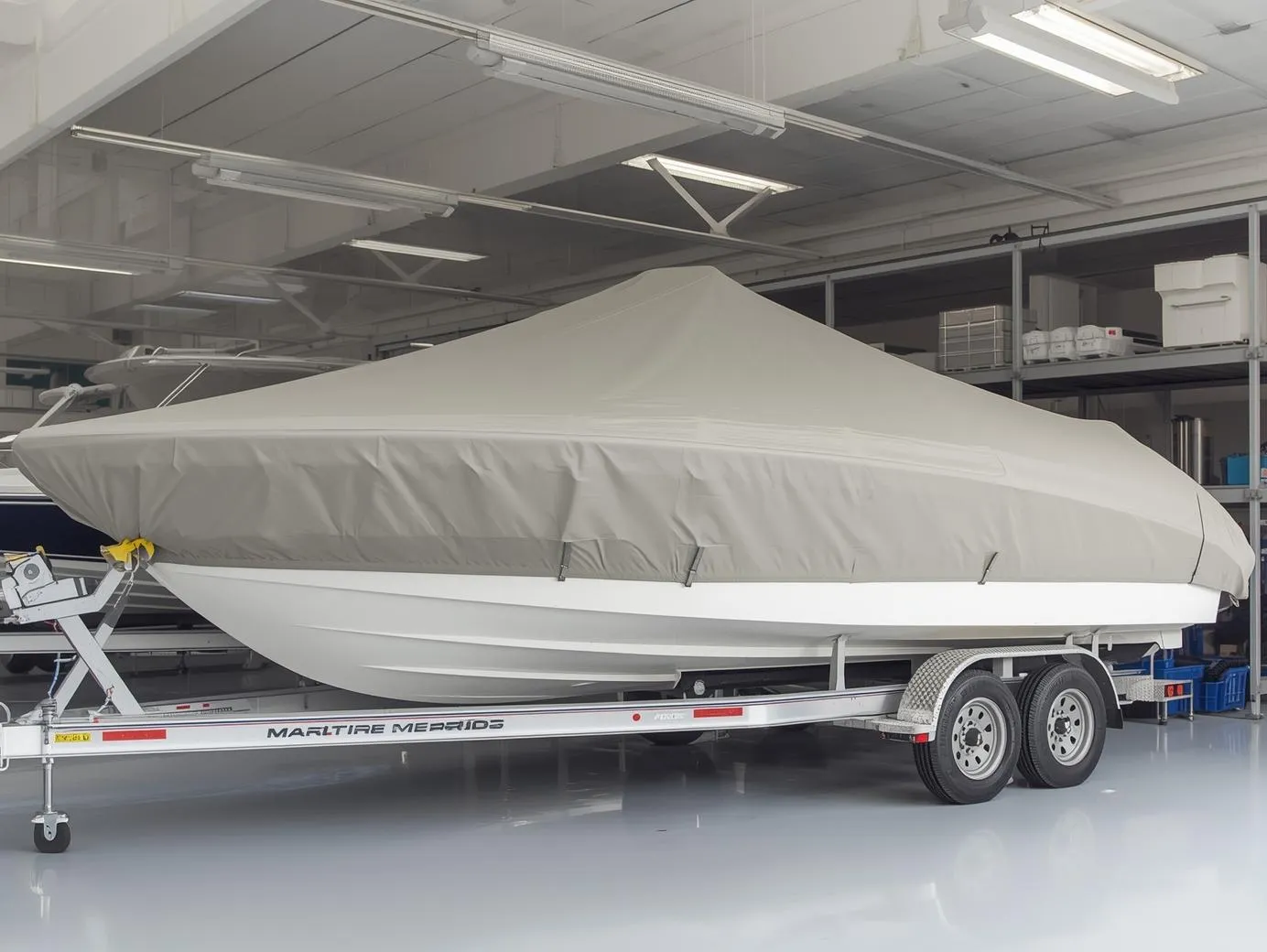
Covers play a major role in protection. A well-fitted boat cover helps shield your vessel from dust, UV rays, and moisture. For trailer boats, ensuring the boat is positioned correctly and tyres are properly supported prevents long-term stress on the frame.
Choosing Between Boat Storage Options
Different storage solutions suit different needs depending on your budget and exposure risk. When comparing indoor and outdoor boat storage options, indoor facilities offer maximum weather protection, while outdoor yards provide a cost-effective alternative. For owners looking for dependable security and dedicated facilities, exploring specialised boat storage options can help protect your investment from coastal weather and long-term wear.
Outdoor storage is a cost-effective option and works well for short-term storage when combined with quality covers. Covered storage adds protection from sun and rain, helping to protect boat from weather damage such as fading and cracking.
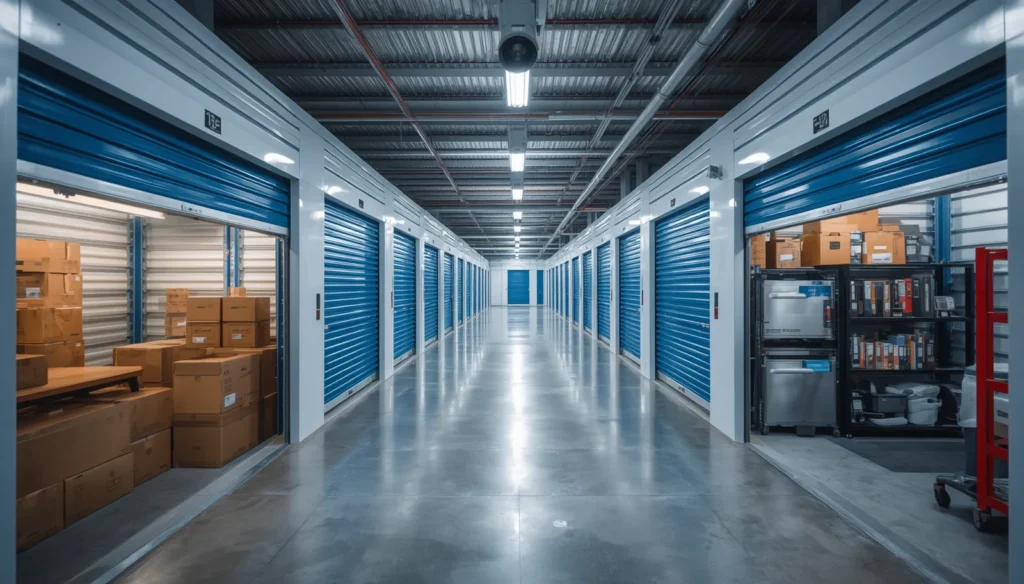
Indoor storage offers the highest level of protection and is ideal for long term boat storage. Enclosed spaces shield boats from environmental exposure, pests, and temperature fluctuations, making them a popular choice for valuable or rarely used vessels.
Long Term Boat Storage Tips for Added Protection
When planning long term boat storage, extra care is essential. Regular checks, even while in storage, help identify potential issues early. Ventilation is important, as trapped air can lead to moisture build-up.
Lubricating moving parts, checking seals, and ensuring drainage plugs are removed can prevent damage over extended periods. These boat storage tips help ensure your boat remains in reliable condition, even after months of inactivity.
Protecting Your Boat From Weather and Environmental Damage
One of the biggest challenges of storage is learning how to protect boat from weather conditions. Australia’s strong sun can damage paint, upholstery, and rubber components, while rain and humidity can cause rust and mould.
Using UV-resistant covers, choosing shaded or enclosed storage, and ensuring proper drainage all help reduce environmental damage. Deciding between storing a boat on your property versus a secure facility plays a major role in how well your vessel is protected from severe coastal elements.
Using a Boat Storage Guide to Avoid Common Mistakes
Following a clear boat storage guide helps owners avoid common errors such as poor ventilation, inadequate covers, or neglecting engine care. Skipping preparation steps often leads to avoidable repairs once the boat is taken back out.
A structured approach ensures all aspects of care are covered, from cleaning and mechanical checks to choosing the right storage environment. Avoiding critical boat lay-up errors like trapping internal humidity or neglecting trailer tyres will keep your craft in turn-key condition.
Why Proper Boat Storage Is Worth the Effort
Understanding how to store a boat safely gives owners confidence that their vessel is protected when not in use. Following a comprehensive boat care and storage guide ensures consistent, year-round protection regardless of how often you take your boat out.
Professional storage solutions simplify the process and provide consistent protection throughout the year, regardless of how often you use your boat.
Making the Right Choice for Boat Storage
Choosing the right storage solution is an important part of responsible boat ownership. From preparation to placement, every step contributes to keeping your boat in excellent condition. Many Australian boat owners rely on trusted providers like Guardian Self Storage for secure, convenient, and flexible storage solutions that suit different boat types and usage needs.
If you’re unsure which storage option is best for your situation, it’s a good idea to seek expert advice. Professional guidance can help you avoid mistakes and choose a solution that protects your boat properly.
If you’d like help deciding on the safest way to store your boat, feel free to contact us for personalised advice and support. A quick conversation can help you find the right storage setup with confidence.
Taking the right steps today can prevent costly damage tomorrow. When you’re ready to secure your boat and protect it long term, contact us and enjoy peace of mind knowing your boat is stored safely and professionally.
Frequently Asked Questions
How to store a boat when it’s not being used?
Clean the boat thoroughly, prepare the engine, use a quality cover, and choose a secure storage environment.
What are the best boat storage tips for beginners?
Start with proper cleaning, choose covered or indoor storage, and check your boat periodically during storage.
Is long term boat storage safe for engines?
Yes, when engines are flushed, fuel is stabilised, and batteries are disconnected, long-term storage is safe.
How can I protect my boat from weather damage?
Use UV-resistant covers, covered or indoor storage, and ensure proper ventilation and drainage.
Which storage option is best for safe boat storage?
Indoor or covered storage offers the highest level of protection, especially for long-term or valuable boats.