
Secure and Affordable Storage Units
Areas We Serve: BallinaCaloundraDeception-BayKallangurKawanaRedbank - SpringfieldRockhamptonToowoomba-RockvilleToowoomba-WilsontonWoolgoolga

Menu
How to Protect Your Belongings from Environmental Damage in Storage
December 10, 2025

Storing your belongings isn’t just about locking them away — it’s about keeping them in the same condition you left them in. In Australia, environmental threats like heat, humidity, mould, dust, and pests can quietly damage furniture, electronics, documents, family keepsakes, and even clothing over time. That’s why choosing climate controlled storage (and packing the right way) can make all the difference.
This guide explains how environmental damage happens in storage, what to look for in temperature controlled storage, and exactly how to pack, protect, and position your items for short- or long term storage protection.
Why Environmental Damage Happens in Storage (Even in “Safe” Units)
Many people assume environmental damage only occurs in garages, sheds, or outdoor spaces — but regular storage units can still be affected by:
- Temperature swings (hot days + cool nights)
- High humidity leading to mould, mildew, and musty smells
- Poor ventilation trapping moisture
- Dust infiltration over months
- Pests like rodents, cockroaches, silverfish, and moths
- Condensation forming on metal, wood, and plastic surfaces
If you’re storing anything valuable, sentimental, or sensitive, it’s worth considering climate controlled storage rather than basic storage, especially during humid seasons or for longer stays.
Choose Climate Controlled Storage for Sensitive Items
If your goal is to avoid environmental deterioration, climate controlled storage is the single biggest upgrade you can make.
What is climate controlled storage?
A climate-controlled unit maintains consistent conditions (often with cooling, insulation, airflow management, and sometimes humidity control depending on the facility). This reduces the “stress” that materials experience when temperatures and moisture levels change.
Climate controlled vs temperature controlled storage
People often use these terms interchangeably, but there can be a difference:
- Temperature controlled storage focuses primarily on keeping the unit within a stable temperature range.
- Climate controlled storage usually includes temperature control plus better insulation and airflow, and may reduce humidity fluctuations too.
If you’re storing timber furniture, electronics, photographs, vinyl records, artwork, fabrics, or important paperwork, climate control is usually the smart move.
Control Humidity: The Silent Destroyer (Humidity Protection Storage)
Humidity is one of the most common causes of long-term storage damage in coastal areas and during wetter months. Even small amounts of moisture can lead to:
- Mould and mildew on fabrics
- Warping and swelling in timber
- Rust on metal and tools
- Peeling on leather and laminate
- Smells that are hard to remove once absorbed
Practical humidity protection storage tips
- Avoid plastic wrap directly on furniture (it can trap moisture and cause mould).
- Use breathable coverings like cotton sheets or furniture covers.
- Place desiccant packets (silica gel) inside tubs with sensitive goods.
- Use airtight containers for clothing and linen — but only when items are fully dry.
- Keep items off the floor using pallets or shelving where possible.
If you’ve ever opened a box after months and found a musty smell, that’s a humidity problem — not a “storage” problem.
Protect Furniture in Storage (Without Causing Damage)
If you need to protect furniture in storage, it’s not enough to cover it — you need to cover it correctly.
Best practices for furniture protection
- Clean everything first. Dust, dirt, oils, and spills can set in permanently over time.
- Disassemble what you can. Bed frames, table legs, and shelving units store safer and take less room.
- Wrap fragile edges. Use moving blankets or bubble wrap for corners.
- Avoid sealing timber in plastic. Timber needs to “breathe”.
- Keep furniture elevated. Don’t place timber directly on concrete floors; use pallets or cardboard sheets.
Pack Like You’re Storing for the Long Term (Even If You’re Not)
Even if you think you’ll store items for “just a month”, plans change — and packing properly from day one prevents damage later.
Packing supplies that actually protect
- Sturdy boxes (double-wall for heavier items)
- Vacuum bags for clothing (only when fully dry)
- Plastic tubs for moisture or pest-prone items
- Furniture blankets
- Bubble wrap for fragile items
- Acid-free paper for photos and documents
Use Pest Safe Storage Principles (Before You Even Choose a Unit)
Pests are attracted by food residue, cardboard nesting spots, and clutter. A pest safe storage approach starts with your prep.
How to prevent pests in storage
- Never store food (even “sealed” pantry items)
- Don’t store anything with crumbs or residue (BBQs, toasters, air fryers) without cleaning
- Avoid using loose rubbish bags — use sealed tubs instead
- Keep soft goods in sealed containers
Don’t place boxes right against walls if you can avoid it - Use shelving to reduce floor contact and improve airflow
Position Items in the Unit to Prevent Damage
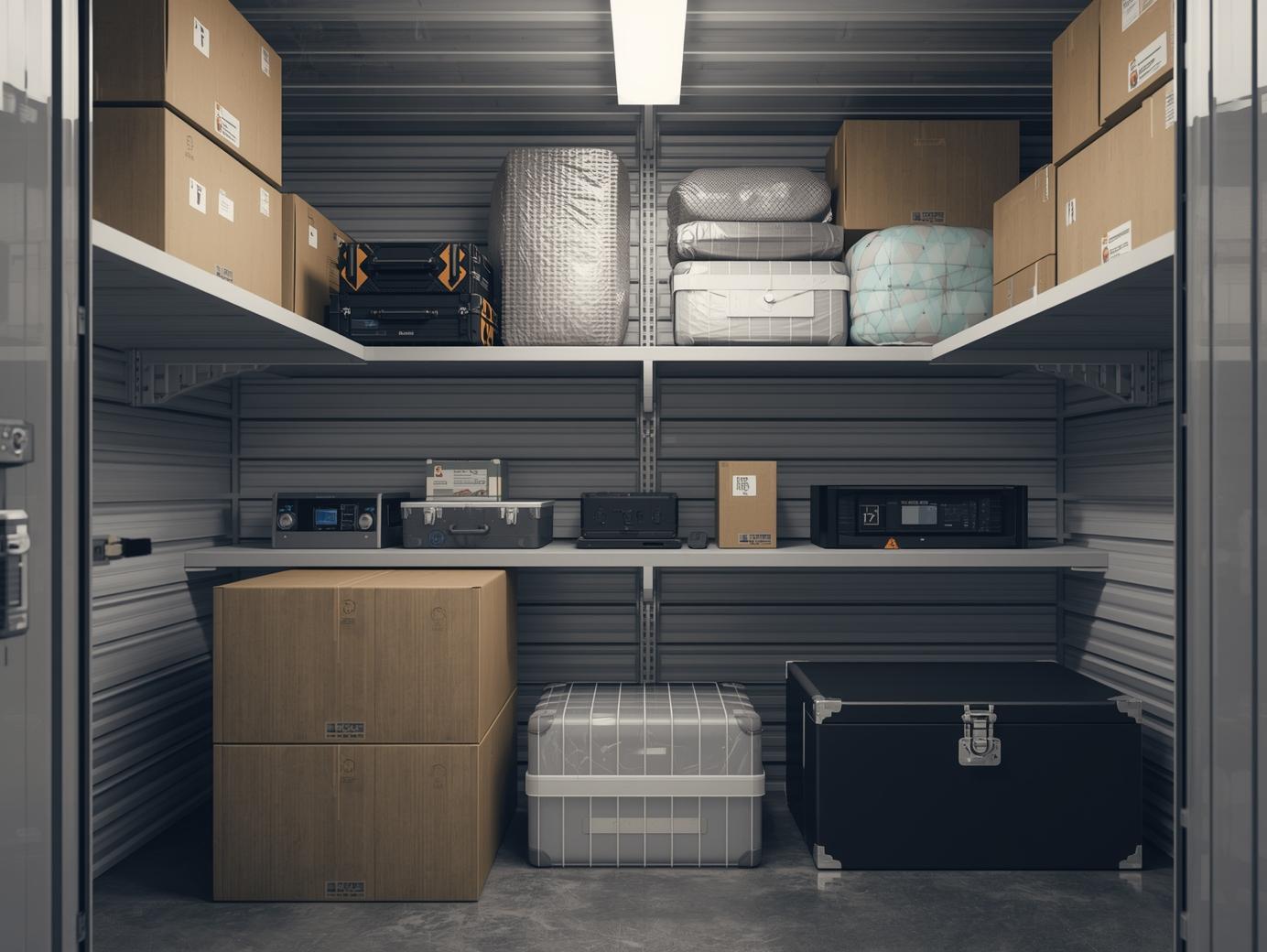
How you stack and arrange your unit affects airflow, humidity build-up, and risk of crushing.
Layout rules that work
- Leave a small air gap around items where possible
- Create a walkway so you can check items without unpacking everything
Put sensitive items (photos, electronics) higher up - Store heavier items at the bottom
- Keep mattresses flat or upright as recommended (never bent)
Long Term Storage Protection: Maintenance Matters
For true long term storage protection, don’t treat your unit like a time capsule. Build in small check-ups.
What to do every 2–3 months
- Inspect for damp smells, condensation, or mould spots
- Reposition items to maintain airflow
- Check for signs of pests
- Update your inventory list
- Replace moisture absorbers if you’re using them
What Items Benefit Most From Climate Controlled Storage?
If you’re unsure whether you need climate controlled storage, here’s a quick guide.
Strong candidates for climate control
- Timber furniture and antiques
- Leather lounges and chairs
- Electronics and appliances
- Paperwork, books, and photos
- Musical instruments
- Artwork and collectibles
- Clothing, linen, and fabrics
- Tools and equipment prone to rust
For many households and small businesses, climate control is the easiest way to reduce risk — especially when storing items through summer heat or humid seasons.
Final Thoughts
Guardian Self Storage makes it easier to protect your belongings from heat, humidity, mould, and pests with the right climate controlled storage option. Pack everything clean and fully dry, use sealed tubs for pest-prone items, and leave airflow gaps for better long term storage protection. For help choosing the right unit, visit our Contact Us page
FAQ: Climate and Environmental Protection in Storage
Is temperature controlled storage enough?
It can be, depending on what you’re storing. For higher-value or moisture-sensitive items, climate controlled storage is usually the safer option because it helps stabilise conditions more consistently.
Can I stop humidity without climate control?
You can reduce risk with good packing, airflow, and moisture absorbers — but climate controlled units generally offer better protection against prolonged humidity.
Do storage facilities prevent pests automatically?
Good facilities take pest management seriously, but your prep is crucial. Clean items, avoid food storage, and use sealed containers for pest safe storage.
Ready to find the perfect sized storage
Contact your closest Guardian Self Storage and one of our helpful manager will help you find the perfect storage unit for you.