Top Safe Storage Tips for Storing Valuables and Sensitive Items
Storing valuables and sensitive items requires more than just a lock and key. From family heirlooms to important documents, protecting your possessions involves careful planning, proper packing, and choosing the right storage environment.
At Guardian Self Storage, we understand the importance of safety and convenience. Our guide on safe storage tips provides practical advice to help you keep your valuables secure, reduce damage risks, and enjoy peace of mind.
Why Safe Storage Tips Matter
Many people underestimate why facility security should be a top priority when storing high-value or fragile items. Without proper precautions, belongings can be damaged by environmental factors, pests, or accidental mishandling. Implementing safe storage tips ensures that your possessions remain intact, organised, and protected, whether for personal or business use.
Explore our personal and business storage solutions designed to safeguard your items in secure, monitored units.
Choosing the Right Storage Unit
Understanding what makes a storage facility secure is the first step in protecting your high-value belongings. Here’s what to consider:
1. Size and Space
Choose a unit that comfortably fits all items without overpacking. Crowding boxes and fragile objects increases the risk of damage. Guardian Self Storage offers flexible options, allowing you to select the right size based on your inventory.
2. Climate Control
Sensitive items, such as electronics, antiques, or documents, benefit from climate-controlled units. These units regulate temperature and humidity, preventing damage from mould, warping, or corrosion.
Learn more about our state-of-the-art facility protection technologies for protecting sensitive items and valuables.
3. Secure Location
Select a facility with robust security features. Facilities equipped with comprehensive CCTV, alarms, and access control systems provide additional protection against theft or vandalism.
Packing and Protection Tips
Proper packing is essential to safeguard your belongings. Consider these techniques:
1. Use High-Quality Packaging
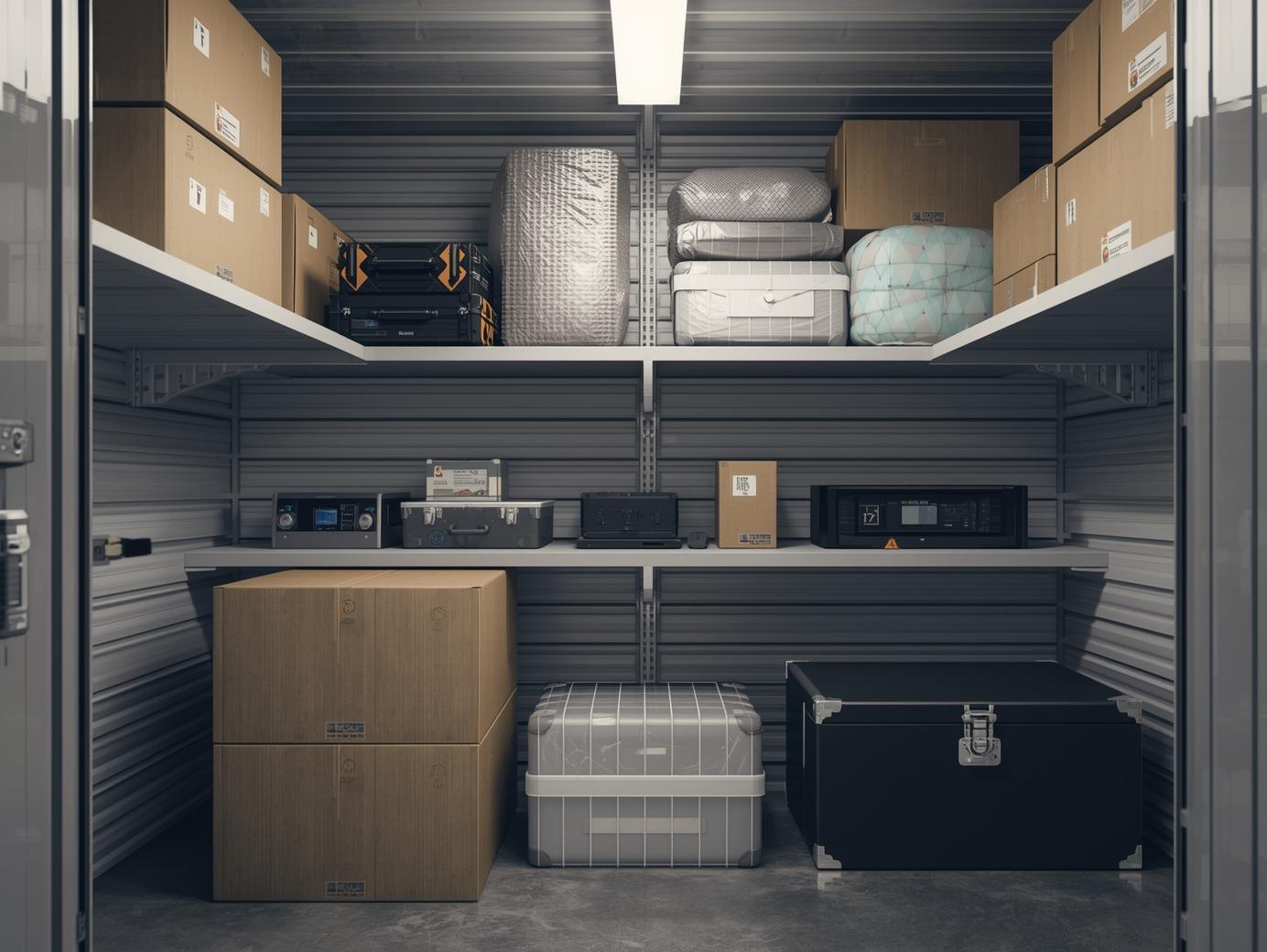
Sturdy boxes, bubble wrap, and packing paper reduce the risk of damage. For fragile items, double-boxing is highly recommended.
2. Label Everything
Clear labels on boxes help you organise your storage unit and handle items with care. Include contents, fragility, and handling instructions.
3. Protect Fragile Belongings
Wrap delicate items individually and avoid stacking heavy objects on top of them. Guardian Self Storage recommends using protective padding or foam to prevent breakage.
Securing Valuables
When storing high-value possessions, additional precautions are necessary:
1. Use Lockable Containers
Metal or heavy-duty plastic containers with secure locks add an extra layer of protection for valuables and important documents.
2. Avoid Visible Indicators
Do not store valuables in transparent boxes or containers that show the contents. Keep items discreet to reduce theft risk.
3. Keep an Inventory
Maintain a detailed list of items stored, including photos and descriptions. This is useful for insurance claims and ensures nothing is misplaced.
Organising Your Storage Unit Safely
Organisation improves safety and accessibility.
- Create Walkways: Avoid stacking boxes in a way that blocks access to items at the back of the unit.
- Store Frequently Used Items Near the Front: This reduces unnecessary movement of heavy or fragile boxes.
- Use Shelving Units: Elevating boxes off the floor protects them from moisture and allows better airflow.
Check our personal storage solutions for options with shelving and organisation features.
Personal Storage Safety Tips
Maintaining personal security within your storage unit is crucial:
- Choose a High-Security Facility: Choose a High-Security Facility: Look for monitored self storage with secure gate access systems and restricted entry units.
- Avoid Sharing Access Codes: Keep your PIN or keycard private to maintain unit security.
- Regularly Inspect Your Unit: Check for signs of damage, pests, or moisture, and report any issues to facility staff immediately.
Common Mistakes to Avoid
Even with careful planning, mistakes can compromise your storage safety:
- Overpacking Boxes – Increases the risk of breakage.
- Ignoring Fragile Labels – Items may be handled roughly if not clearly marked.
- Storing Items Directly on the Floor – Risk of water damage or pests.
- Neglecting Insurance – Even the most secure units can’t prevent all risks.
Learn more about insurance and storage safety for added peace of mind.
Conclusion
Storing sensitive items requires proper planning, organization, and finding a reliably protected and secure facility environment. By following these safe storage tips, you can protect fragile belongings, maintain personal security, and keep your possessions in excellent condition.
At Guardian Self Storage, we manage 24/7 access and facility security to provide personal storage safety and peace of mind to make sure your items are always protected. Explore our locations and services or contact us to find the best storage solution for your valuables.
FAQs About Safe Storage Tips
- How can I store valuable items safely?
Use lockable containers, avoid transparent boxes, label items clearly, and choose a secure, monitored storage facility. - What are the best ways to protect fragile belongings?
Wrap each item individually, use bubble wrap or foam, and avoid stacking heavy items on top. - How do I maintain personal storage safety?
Select a facility with secure access, restrict entry codes, and regularly inspect your unit for any issues. - Should I use climate-controlled units?
Yes, climate-controlled units are ideal for electronics, antiques, and documents sensitive to temperature or humidity. - Why is keeping an inventory important?
An inventory with photos helps track your items and supports insurance claims in case of damage or loss.