How Long Can a Boat Be Stored Without Use?
If you’re not planning to use your boat for a while, you might be wondering: how long can a boat be stored without use? The answer depends on preparation, storage conditions, climate, and maintenance practices.
In Australia’s varied climate — from humid coastal regions to dry inland areas — proper storage plays a critical role in preserving your vessel. By understanding how boat storage works and taking the right preparation steps, boats can be stored safely for several months to multiple years without major issues. However, poor storage practices can lead to costly damage in a short period.
This guide explains what affects long-term boat storage and how to protect your investment.
How Long Is Safe to Store a Boat?
A properly prepared boat stored in suitable conditions can generally sit unused for:
- 3–6 months with minimal preparation
- 6–12 months with thorough winterisation and protection
- 1–3 years or more with professional storage and regular checks
The key difference lies in how well the boat is prepared before storage, the environment in which it is kept, and the specific requirements for storing different vessel sizes and types.
What Happens If a Boat Sits Too Long?
Leaving a boat unused without preparation can cause gradual deterioration. Common problems include:
Fuel Degradation
Petrol begins breaking down within a few months. Old fuel can clog injectors and fuel lines, leading to engine issues.
Battery Failure
Marine batteries naturally discharge over time. Without disconnection or maintenance charging, they may fail completely.
Moisture and Mould
Humidity can cause mould growth, upholstery damage, and corrosion in enclosed spaces.
Corrosion and Rust
Salt air and moisture accelerate metal deterioration, particularly in coastal Australia.
Tyre and Trailer Wear
If stored on a trailer, tyres can develop flat spots and degrade without movement.
Short-Term Boat Storage (Up to 6 Months)
For boats being stored over a few months such as during winter or between holidays following essential vessel protection steps can ensure your craft remains in peak condition.
Recommended Steps:
- Wash and dry the boat thoroughly
- Flush the engine with fresh water
- Disconnect the battery
- Use a breathable boat cover
- Store in a shaded or covered area
Short-term storage is generally low risk if these precautions are followed.
Medium-Term Boat Storage (6–12 Months)
When storing a boat for up to a year, more comprehensive preparation is essential. Steering clear of frequent marine storage errors like skipping fuel treatment or ignoring humidity control will save you expensive repair bills later.
Additional Precautions:
- Add fuel stabiliser or drain fuel completely
- Change engine oil and filters
- Lubricate moving parts
- Remove sensitive electronics if necessary
- Use moisture absorbers inside the cabin
At this stage, choosing a secure storage facility significantly reduces environmental exposure and security risks.
Long-Term Boat Storage (1 Year or More)
Boats stored for extended periods require professional-level preparation. Without it, mechanical systems and interior materials can deteriorate.
Long-Term Storage Best Practices:
- Full engine winterisation
- Fuel system protection
- Battery removal and periodic charging
- Tyre elevation or rotation (if trailer-stored)
- Regular inspection schedule
Many long-term boat owners choose professional storage yards because they offer:
- Secure fencing and CCTV
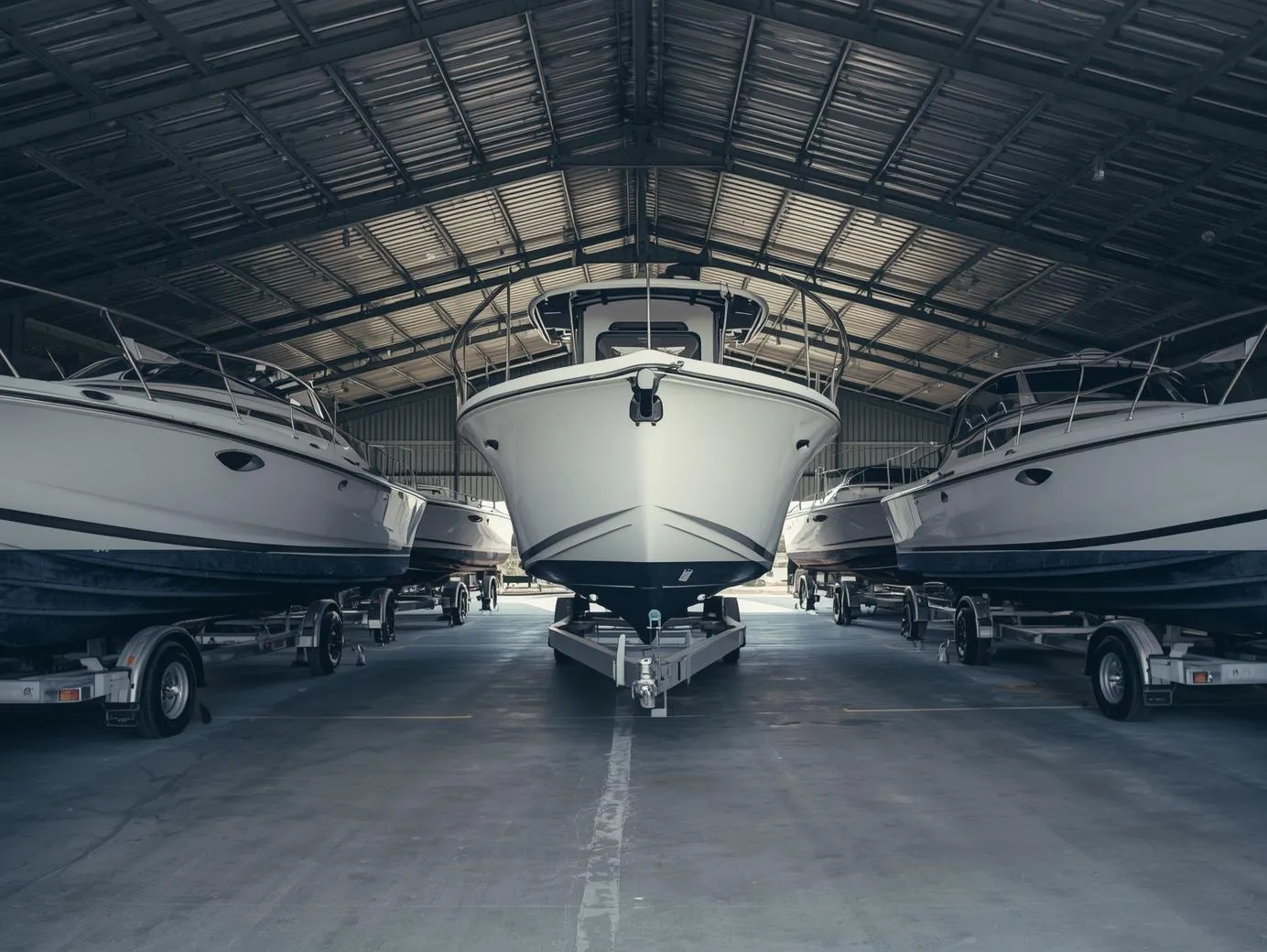
- Covered or indoor options
- Reduced UV and weather exposure
- Better insurance compliance
Does Climate Affect Storage Duration?
Absolutely. Australia’s climate can significantly impact how long a boat can sit unused safely.
Coastal Areas
Salt air increases corrosion risk, making covered or enclosed storage highly recommended.
Tropical & Humid Regions
Moisture control is critical to prevent mould and mildew buildup.
Dry Inland Areas
UV exposure becomes the primary concern, affecting paintwork and upholstery.
Selecting the right storage environment based on your location can extend the safe storage timeframe considerably.
How Often Should You Check a Stored Boat?
Even when stored professionally, periodic inspections are advisable.
Recommended Check Frequency:
- Every 1–2 months for long-term storage
- After major weather events
- Before returning the boat to use
Regular checks alongside safe boat storage safety practices help detect early signs of moisture, pest activity, or mechanical concerns before they escalate.
Professional Storage vs Home Storage
While keeping a boat on your property versus a secure yard may seem convenient, long-term storage often benefits from a dedicated facility.
Benefits of Professional Storage:
- Enhanced security
- Better weather protection
- Reduced risk of vandalism
- Avoid residential council restrictions by comparing storing boats at home versus storage yards
- Peace of mind while travelling
For extended non-use, professional facilities offer distinct advantages when comparing indoor and outdoor storage options, helping to maintain your vessel’s overall condition and resale value.
Preparing to Use Your Boat After Long Storage
When taking a boat out of storage:
- Inspect fuel lines and filters
- Reconnect and test the battery
- Check tyre pressure and trailer components
- Test electronics and safety equipment
- Run the engine briefly before heading out
A careful restart process ensures safety and performance.
Protect Your Boat During Extended Storage
If you’re planning long-term storage, following a step-by-step boat storage checklist ensures the right environment to reduce wear, corrosion, and maintenance costs. For tailored advice on secure and reliable boat storage options, contact us to discuss the best solution for your storage timeframe and location.
Conclusion
So, how long can a boat be stored without use? With proper preparation and the right environment, boats can safely remain unused for months or even years. However, neglecting maintenance or exposing your vessel to harsh conditions can shorten that timeframe dramatically. By choosing secure, well-maintained facilities and consulting a comprehensive boat maintenance and storage guide, Guardian Self Storage helps Australian boat owners protect their investment and enjoy peace of mind while their vessel is off the water.
Frequently Asked Questions
1. Can a boat sit unused for a year?
Yes, if properly prepared with fuel stabilisation, battery care, and weather protection.
2. Does fuel go bad in a stored boat?
Yes. Fuel can begin degrading within a few months unless stabilised or drained.
3. Should I remove the battery during storage?
For long-term storage, removing or disconnecting the battery is recommended.
4. Is covered storage necessary in Australia?
In many regions, covered storage protects against UV damage and heavy rain, extending the boat’s lifespan.
5. How do I prevent mould in stored boats?
Ensure the boat is completely dry before storage and use moisture absorbers or ventilation solutions.